
Now Reading: FIRS Debunks Sovereignty Concerns: France MoU is for Technical Capacity, Not Data Access
-
01
FIRS Debunks Sovereignty Concerns: France MoU is for Technical Capacity, Not Data Access
FIRS Debunks Sovereignty Concerns: France MoU is for Technical Capacity, Not Data Access

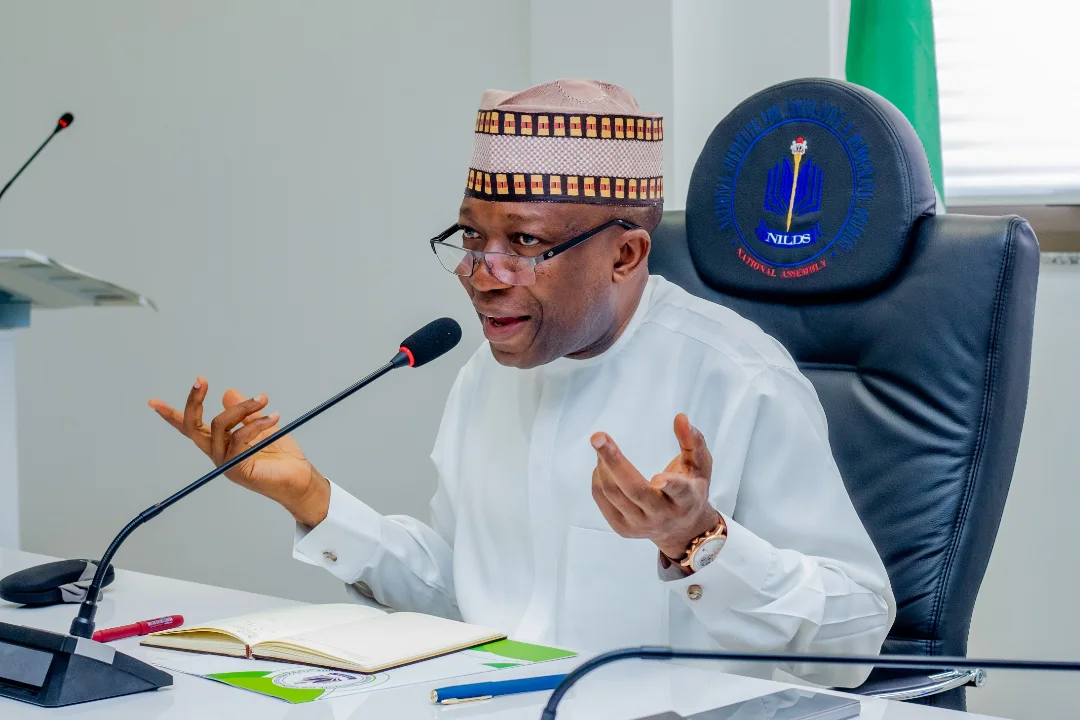
The Federal Inland Revenue Service (FIRS) has moved swiftly to address public anxiety regarding its recently signed Memorandum of Understanding (MoU) with France’s tax authority, the Direction Générale des Finances Publiques (DGFiP).
Following concerns raised on social media that the agreement might compromise Nigeria’s data sovereignty, the FIRS issued a strong clarification today, emphasizing that the deal is strictly for technical assistance and capacity building and does not cede control of any Nigerian systems to foreign entities.
No Access to Nigerian Tax Data
Addressing the core concern of national security, the statement explicitly clarified the limits of the partnership.
“At no point does it grant France access to Nigerian tax data, digital infrastructure, or operational control of our systems,” the FIRS stated.
The agency assured the public that the MoU contains robust confidentiality provisions and that all existing Nigerian laws regarding data protection, sovereignty, and cybersecurity remain fully in force.
Why Partner with France’s DGFiP?
The FIRS described the partnership as advisory, non-intrusive, and designed to strengthen institutional capacity as the agency transitions into the Nigerian Revenue Service (NRS).
The choice of DGFiP was based on its status as one of the world’s most sophisticated tax administrations. The French authority boasts over 100 years of institutional experience and a workforce exceeding 90,000 professionals, with globally recognized expertise in digital tax systems and public finance management.
The collaboration is aimed at allowing Nigeria to learn international best practices in workforce management, digital transformation guidance, and policy modernization, while retaining full control over its administration.
Local Tech Providers Not Sidelined
The FIRS also dispelled rumours that the international agreement would push aside local technology providers.
The statement confirmed that FIRS continues to actively engage and collaborate with Nigerian innovators, specifically mentioning partners such as NIBSS, Interswitch, PayStack, and Flutterwave.
The FIRS clarified that the MoU is focused on “knowledge sharing based on DGFiP’s extensive institutional experience,” rather than delivering the types of technical services that local Nigerian firms provide.
Commitment to Transparency
In conclusion, the FIRS welcomed informed public discourse on tax reforms but urged that discussions accurately reflect the intent of the MoU. The agreement is a strategic initiative to modernize Nigeria’s tax administration and strengthen long-term economic resilience, with Nigeria remaining fully in command of its policy direction.
The statement was e-signed by Dr. Umar Ahmed, Director of Intergovernmental Affairs, Federal Inland Revenue Service.